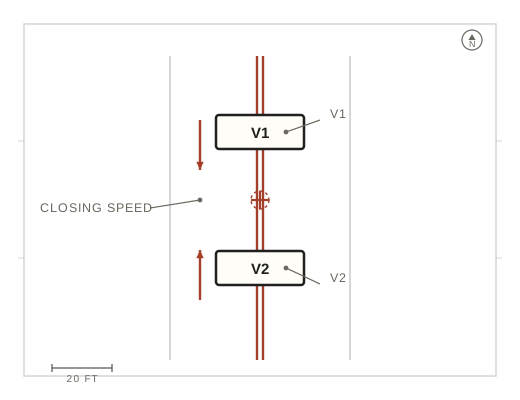
Closing speed is the whole story
In a head-on collision the two vehicles' speeds add together: two vehicles at 50 mph each meet with a closing speed of 100 mph, and each vehicle's front structure must absorb the combined energy. It is the highest-energy crash type on the road, which is why the injury pattern is dominated by restraint-system loading — the seatbelt and airbag are what stand between the occupant and the dashboard.
Head-on crashes commonly follow a vehicle crossing the center line — from impairment, distraction, fatigue, or a failed pass. California law requires driving on the right half of the roadway (Vehicle Code §21650) and permits passing left only when the left side is clearly visible and free of oncoming traffic (§21751).
The typical injury pattern
- Chest and rib injuries — the shoulder belt loads the chest; rib fractures and sternal injuries are the classic frontal pattern.
- Lower-extremity fractures — knee, thigh, and ankle loading against the dash and toeboard. See the fracture file.
- Airbag-pattern injuries — abrasions and burns to the face, arms, and chest from the deploying bag itself. See the restraint file.
- Concussion — from head contact or rapid head motion.
chest pain, difficulty breathing, or abdominal pain after a frontal crash are medical emergencies, not documentation problems. This desk does not triage; get evaluated.